
Simcic Marjan Winery is located in the mountainous area at the junction of Slovenia’s Brda region and Italy’s Collio. Since 1860, the founder of the winery, Mr. Anton Simčič, bought a farm in Medana and started growing and brewing wine. At the same time, he opened an inn near the winery and runs his own wine shop, and the origin of Simcic Marjan Winery began from then on.
In 1997, Simcic Marjan Winery built a new and modern wine cellar in the village of Medana near Ceglo, thus creating conditions for the production of high-quality wines. 2008 is an important milestone in the development history of Simcic Marjan Winery, representing the winemaker of the fifth generation of Simcic Marjan Winery. Mr. Simčič has set up a high-quality wine production line named after the local unique soil name ‘OPoka’ at the winery, thereby making the perfect quality grape.The wine lays a solid foundation.
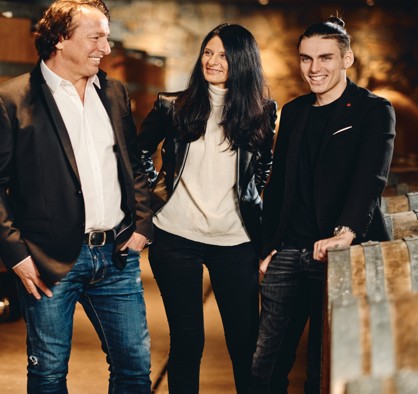

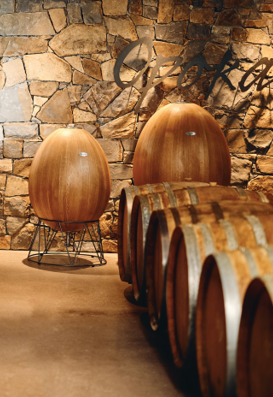
What secrets does Simcic Marjan wine contain in its traditional vineyards?
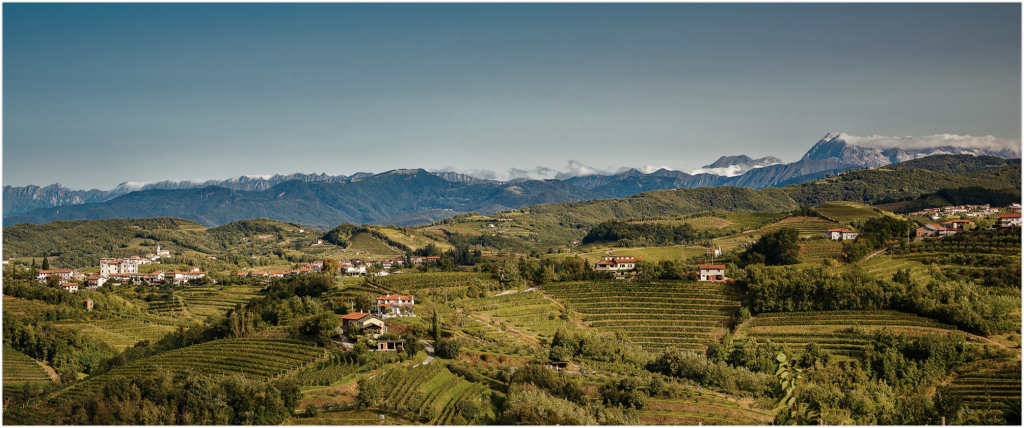
Brda
Traditional wine region between the Julian Alps and the Adriatic Sea
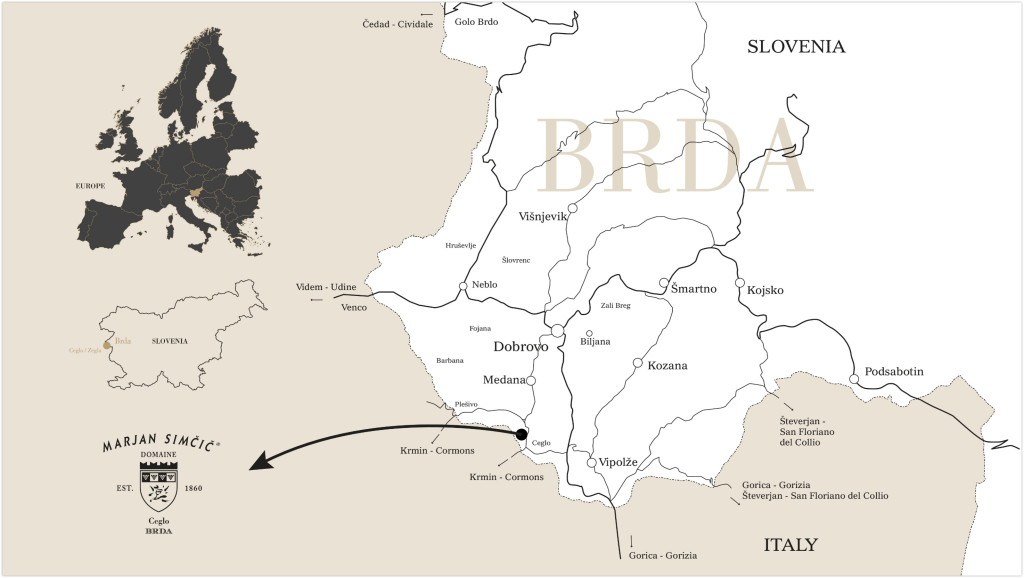
DOMAINE
MARJAN SIMCIC Winery
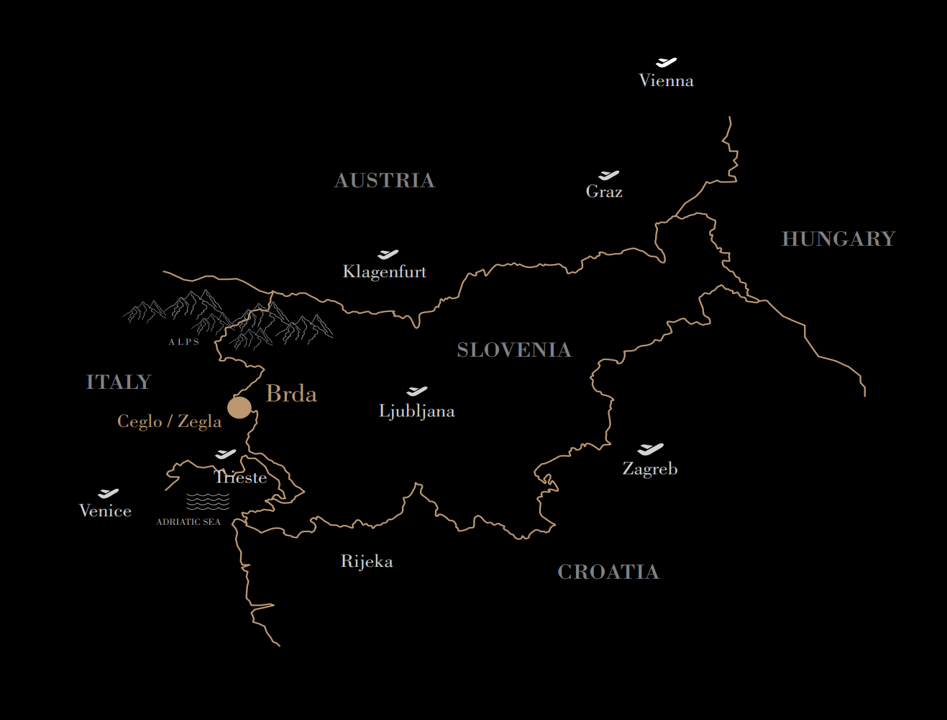
Location:
Slovenia, Brda,ceglo
from Julian Alps 30Kilometer
from the Adriatic Sea 20Kilometer
From Venice and the capital Ljubljana 1.5hour drive
Vineyards:
24 hectares of vineyards since 1860
-10 Hectares in Italy/ / *Corio’s region -docGrade
-14Hectares in Slovenia/ / *Brda – ZGPGrade
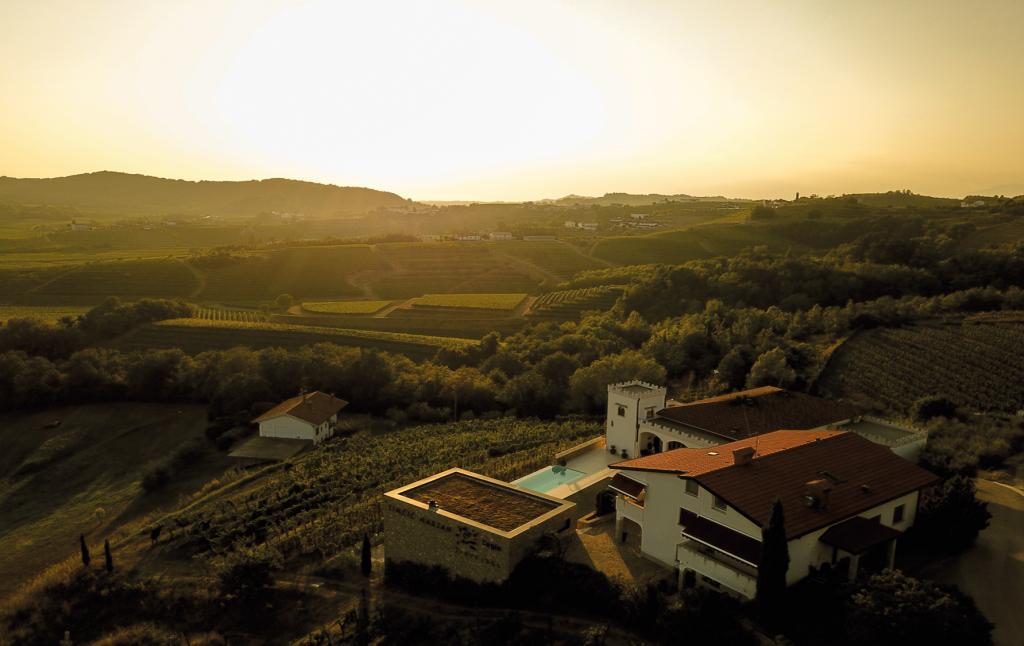
Traditional Vineyard positions
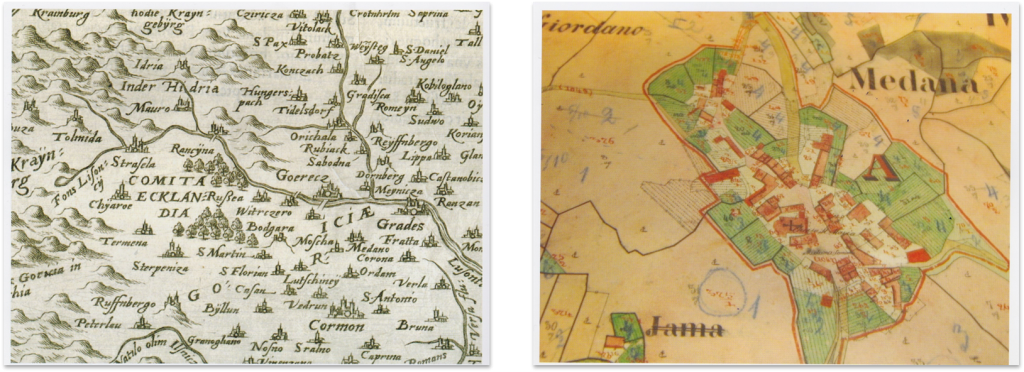
Medana, our village, was listed on the Austrian Atlas map in 1593
The location of the Jama Cru, Jordano Cru, and Medana Cru vineyards is recorded in the Italian cadastral map in the second half of the 19th century
First classification
Balda/ / *Corio’s region
Our village Medana
18 Century classification
1786 year empire classification

Brda/Gorica Mountain Balda
The vineyard covers an area: 2000 hectares
Main white grape varieties: Rebula, Sauvignon Blanc, Pinot Grey, Sauvignon Blanc, Chardonnay
Main red grape varieties: Merlot, Pinot Noir, Cabernet Sauvignon, Cabernet Sauvignon
70% white wine, 30% red wine
Terroir/terroir
Our forefathers had already recognized the uniqueness of this region.
They believe that this magical region, where the alps met the mediterranean, created ideas for vine cultivation.
In recent years, our white and red wines have become the finest expressions of the brda terroir.
Our ancestors have long recognized the uniqueness of this region. They believe that this magical area where the Alps meets the Mediterranean Sea has created ideal conditions for grape planting.
In recent years, the white and red wines we have made have become the best embodiment of the Brda terroir.
Opoka – Our Secret Treasure
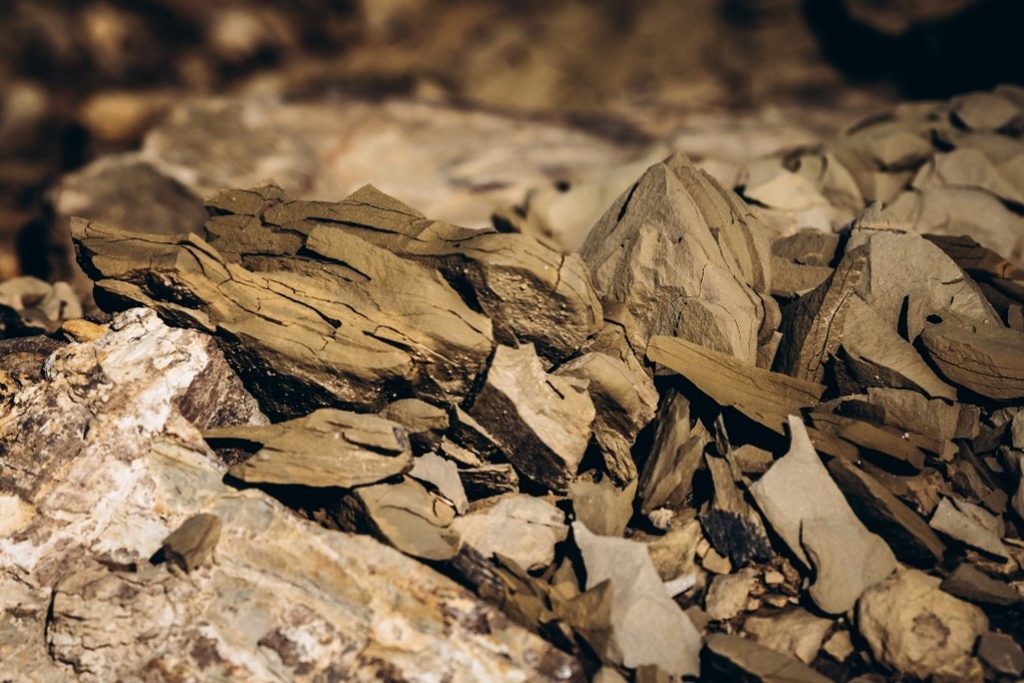
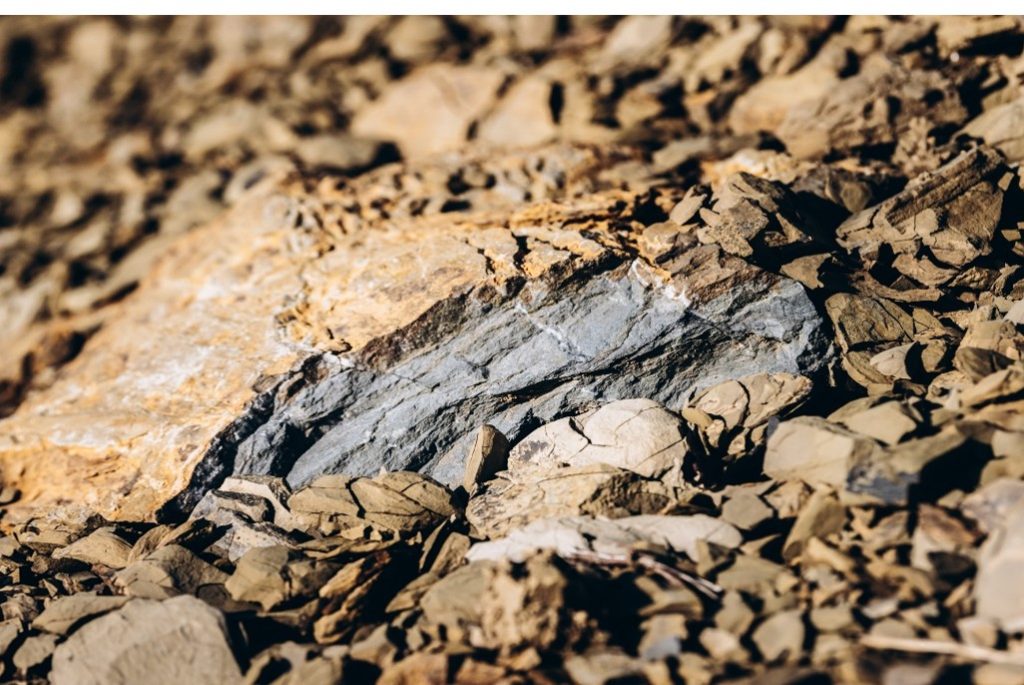
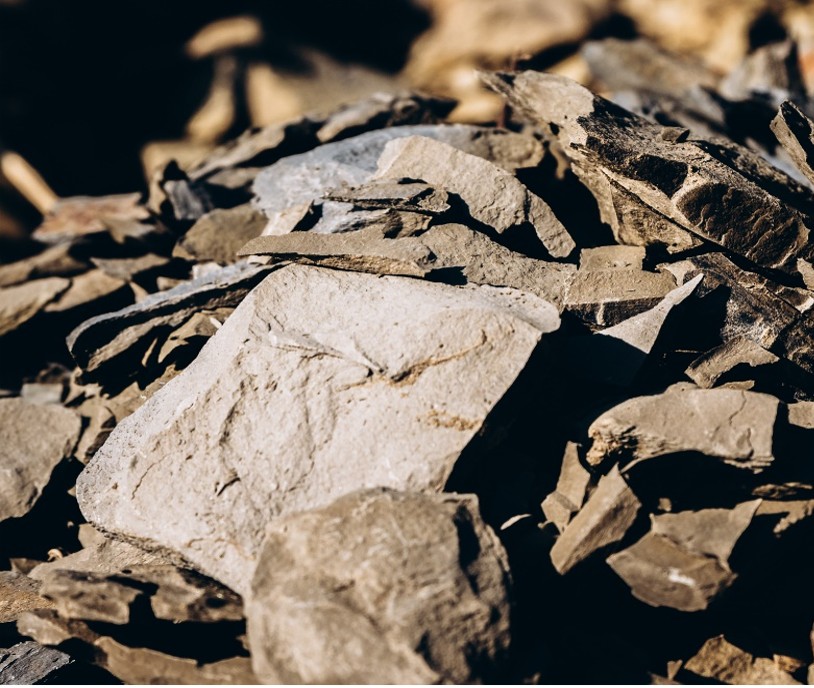
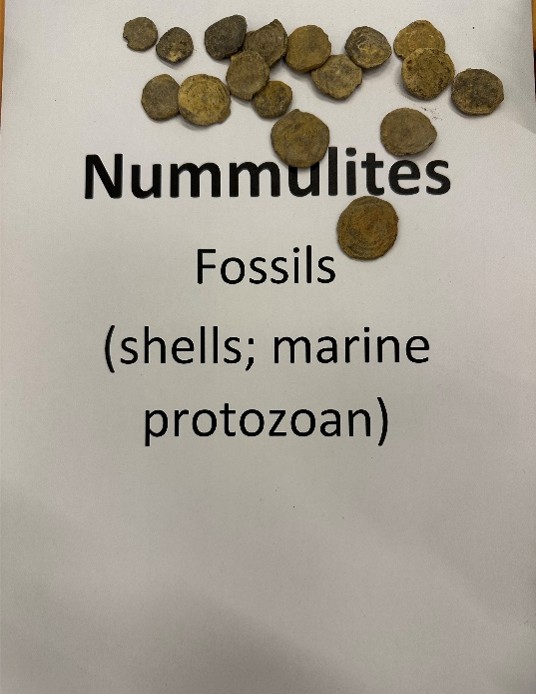
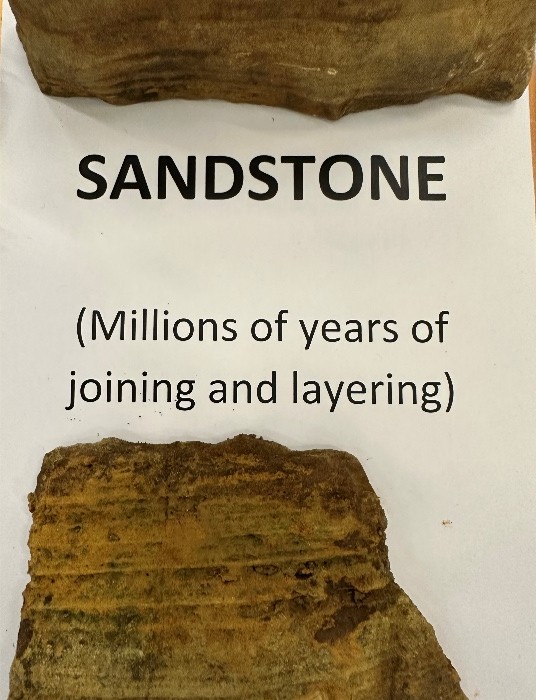
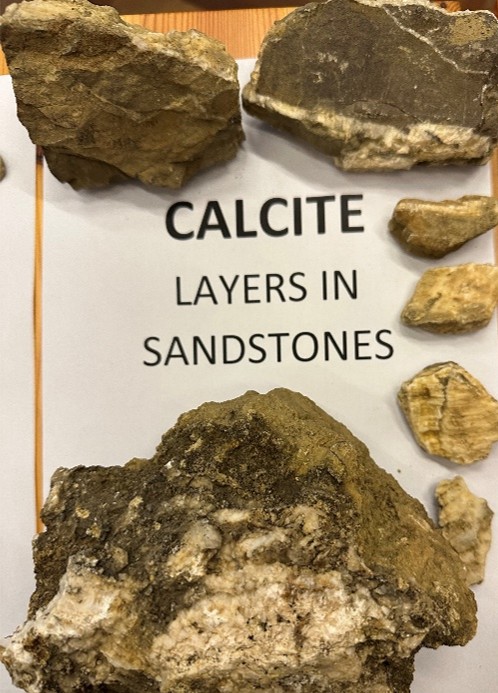
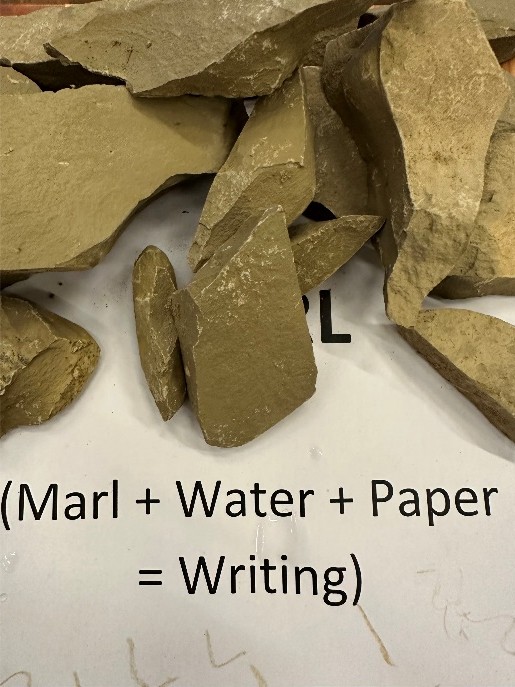
Opoka-multiplex (limestone, calcite, sandstone, mudstone)
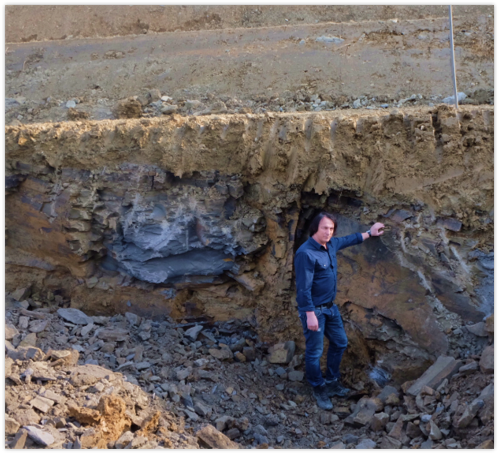
We firmly believe that the ‘Oka’ soil of Brda is formed by the ancient oceans deposited on the surface of the hills.
For thousands of years, wind, rain and sunlight have weathered, washed and heated the result of mineral-rich soil, making a major contribution to the production of unique wines.
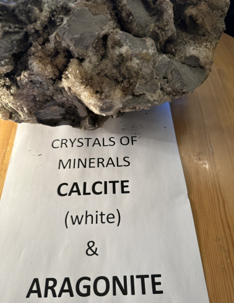
calcite
aragonite
writings
Nummulites Lime Fossils
shells; marine protozoa
Sandstone
Deposition stacked for millions of years
calcite
sandstone layer
Limestone + Water + Paper
We are committed to nature
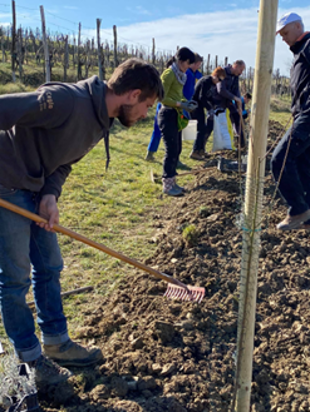
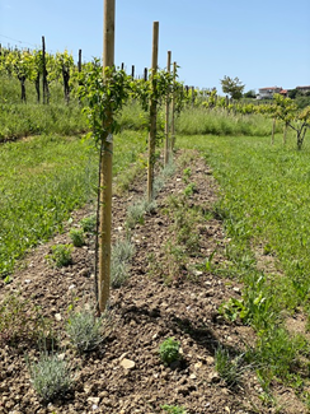
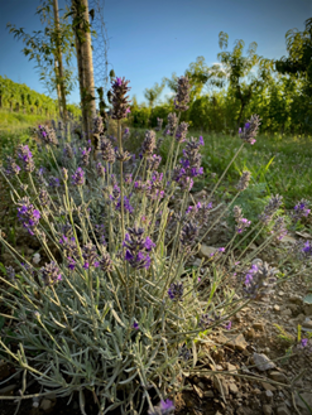
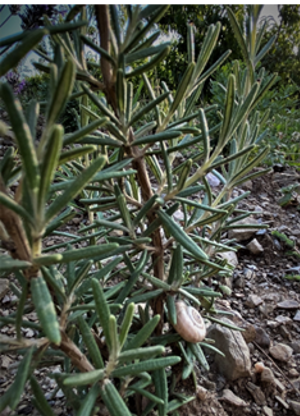
Bio Cultivation of Vineyards Organic Cultivation
As the guardian of our unique terroir, we must ensure that the potential of the vines are fully utilized. We create a healthy environment that supports biodiversity by using organic and biodynamic farming methods.
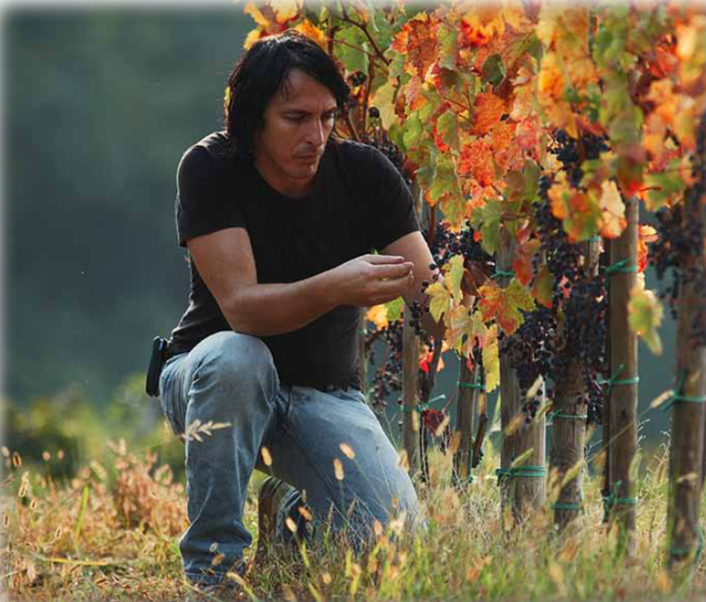
Biodiversity in Cooperation with the Biotechnical Faculty
Biodiversity in collaboration with the School of Biotechnology
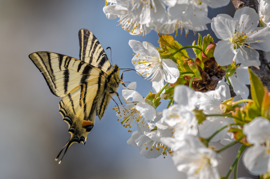

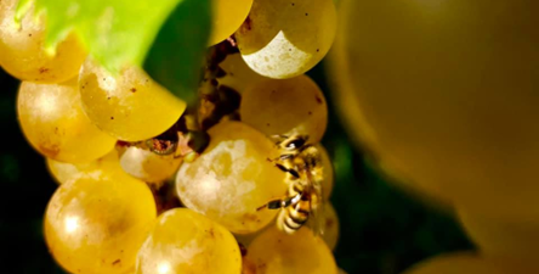
Sustainability has always been an integral part of our lives.
Sustainability has always been a part of our lives
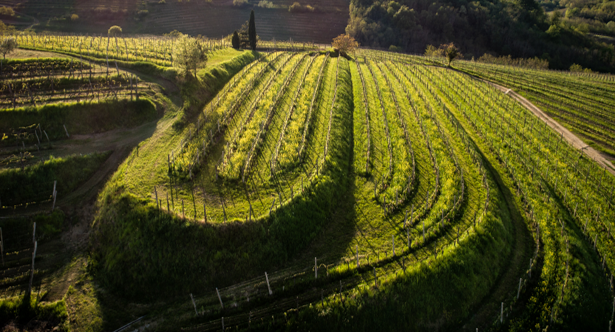
Respecting Natural Cycles and embracing sustainable practices is deep rooted in our lifestyle.
The practice of respecting the natural cycle and embracing sustainable is deeply rooted in our lifestyle.
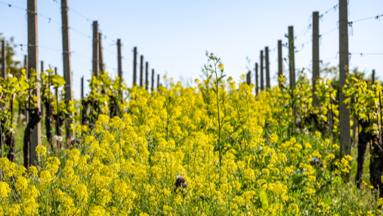
Organic practices # sovescio
(Careful selection of unique plants and herbs planted in the vineyards).
Organic Cultivation Practice
Detailed selection of unique plants and herbs for planting in the vineyard
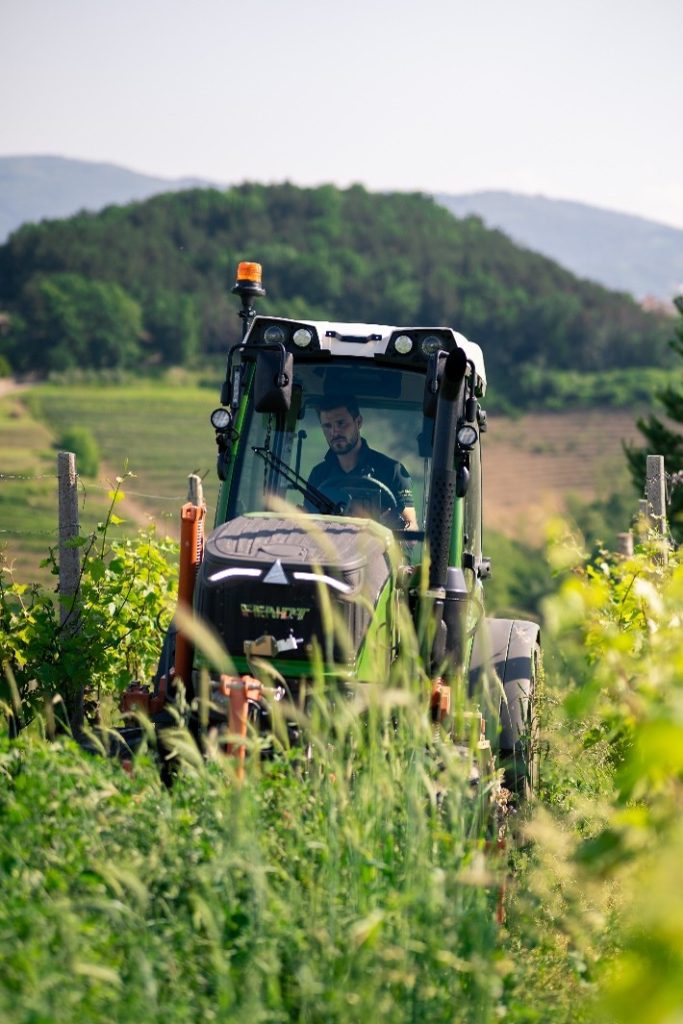
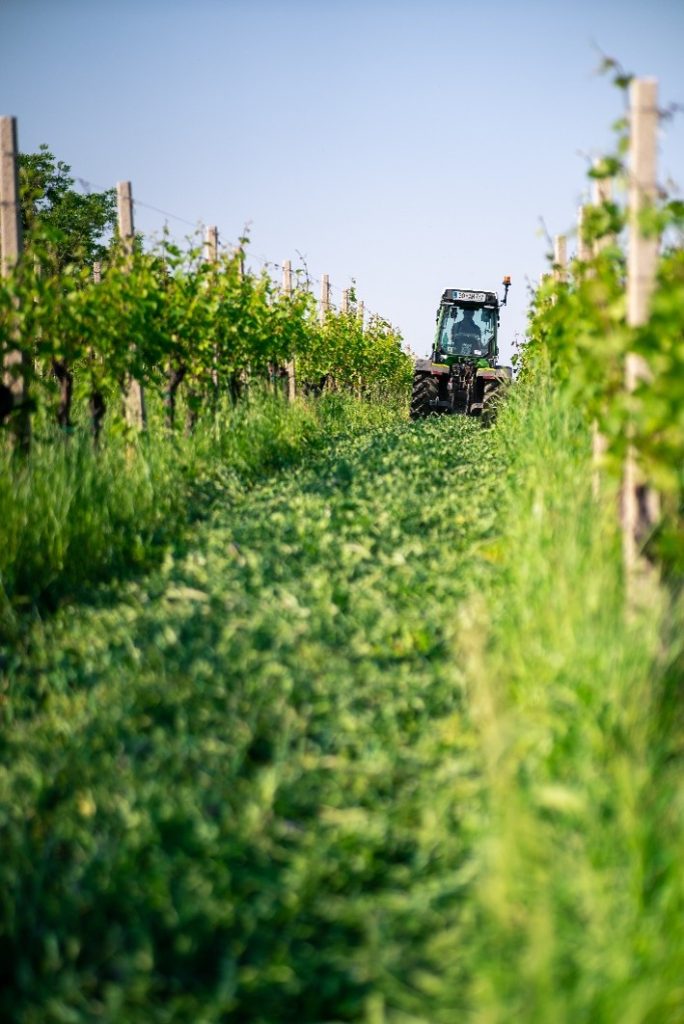
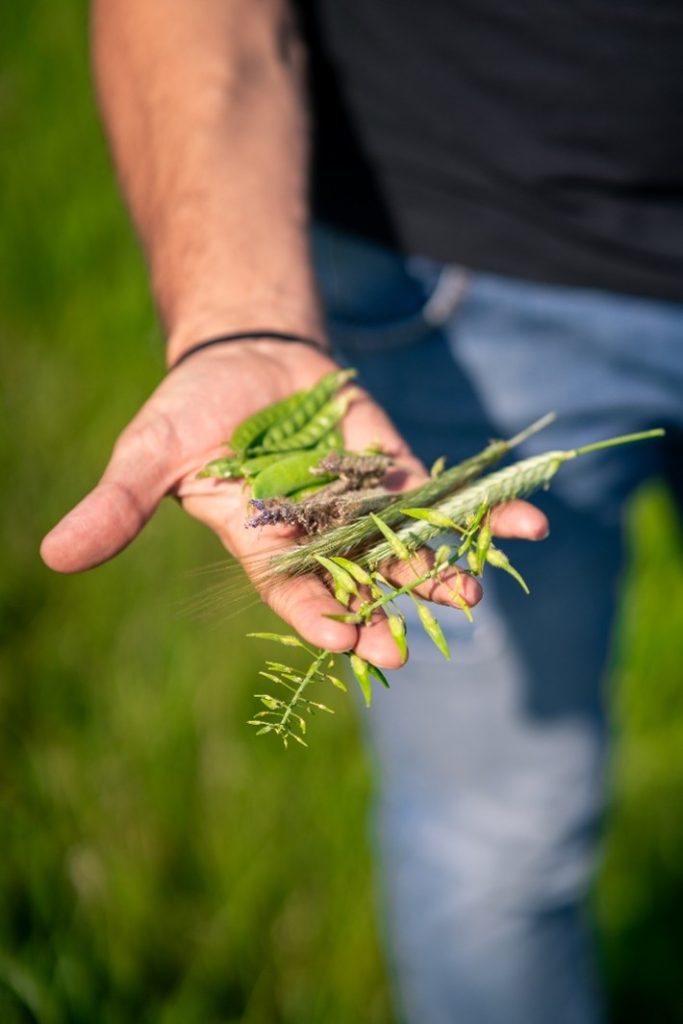
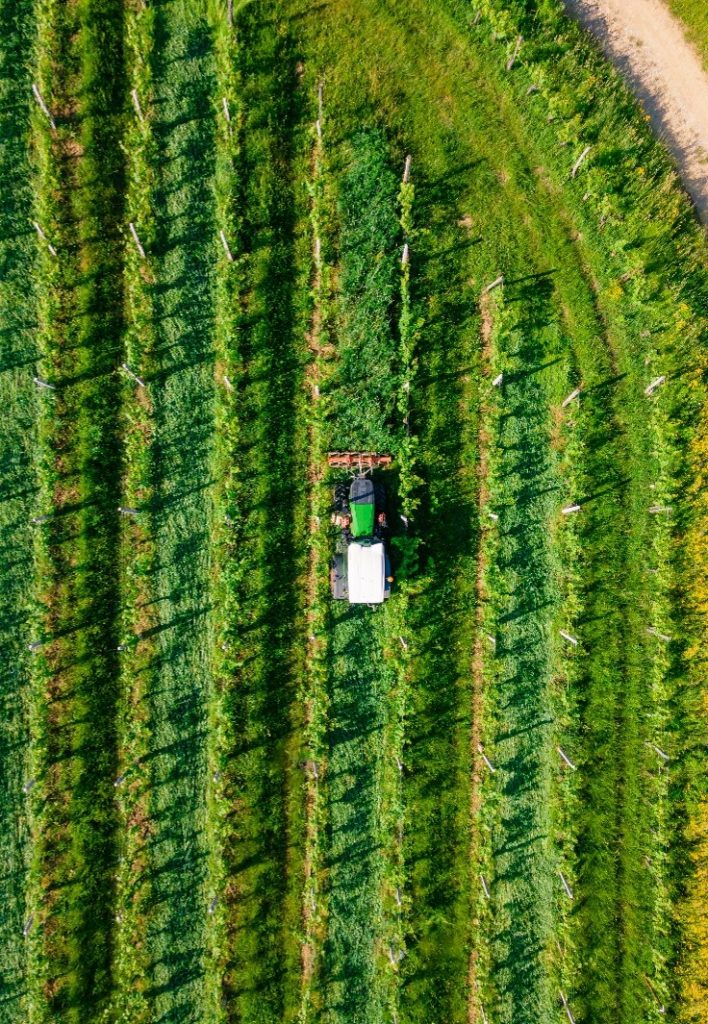
Results: Improve soil health, increase biodiversity, use as green manure, keep soil cool in summer, and prevent water evaporation.
Organic practices # kaolin
Organic Cultivation Practice (We use white clay to fight climate change)
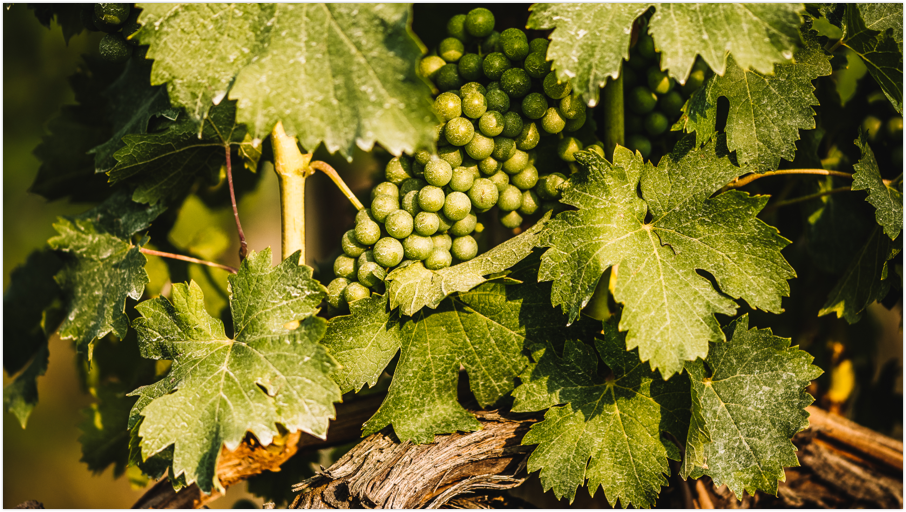
Results: The temperature of the leaves and grapes is reduced by up to 5 degrees Celsius, reducing the risk of burning grapes and ensuring its natural freshness.